As the Civil War started, the Union and Confederates began to engage in serious warfare, requiring far more experience than each side had. However, there were some battles that highlighted the war and took us through the war chronologically. These wars each have their significance in history, each setting a new tone for the Civil War.
The Battle of Fort Sumter

This historical battle was the first fought in the Civil
War. Up untitled his point, not a single shot had been fired, and the
Southerners would be responsible for changing that. It started over the debate
of who was entitled to Fort Sumter, located inside Charleston Harbor. With the
fort surrounded by confederates, Lincoln's cabinet initially agreed to avoid
reinforcing it and letting it fall to the South. However, Lincoln had other
ideas. On April 8th-9th, Lincoln sent an expedition to Fort Sumter, in hopes of
aiding the people inside Charleston Harbor. However, the confederates saw this
as an act of hostility, acting upon their suspicions by seizing the supplies and
attacking the fort. For a full day, the Union forces endured major damages to
the fort. Realizing victory was futile, they surrendered to the South, who
raised the Confederate flag over the fort. Although this battle fell in the
South's favor, this ultimately bonded the North together in their determination
to rally together.
The First Battle of Bull Run
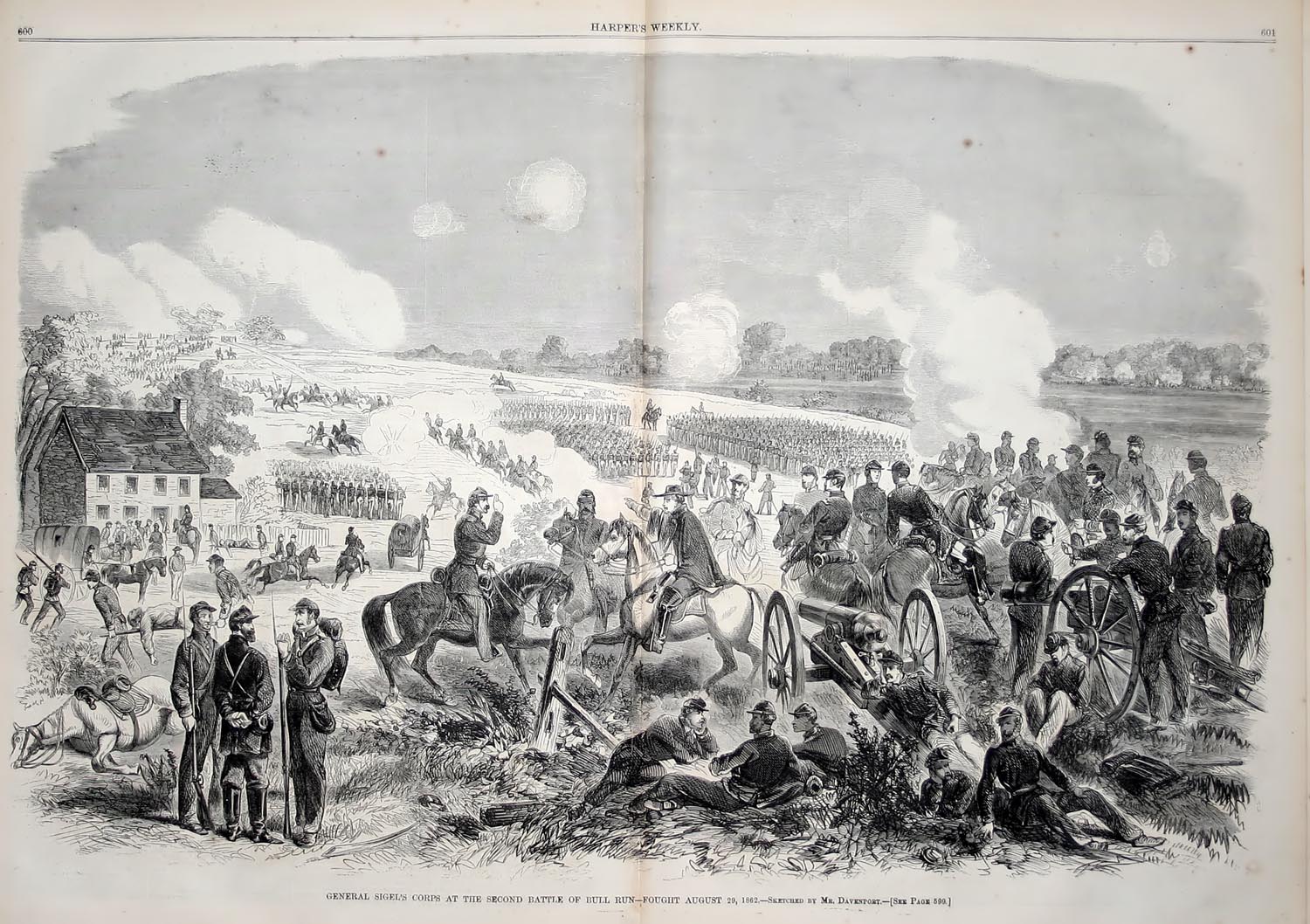
Led by General Irvin McDowell, the Union troops marched to
Bull Run Creek and attacked the Confederate forces. Despite being poorly
trained, a victory seemed in sight, until Confederate General Thomas I. Jackson
confronted the North. He ordered his troops to stay put and hold their ground
against the North. As the tables turned, the Union troops fled the battlefield
for fear of their safety. This defeat for the Northerners led to the
replacement of McDowell with General George McClellan, who saved the Union,
troops by transforming them into a fight-worthy army.
The Battle of Shiloh

This was one of the bloodiest duals between the Union and
Confederate during the civil war. When Union forces successfully captured forts
Henry and Donelson, forcing the Confederates to surrender their territory, the
South grew frustrated. As Union forces moved towards the Mississippi
state-line, the Confederates began a two-day bloodbath. Evident that neither
side would back down, the Confederates retreated, leaving the Union forces
battered but victorious.
The Battle of Merrimack vs. Monitor
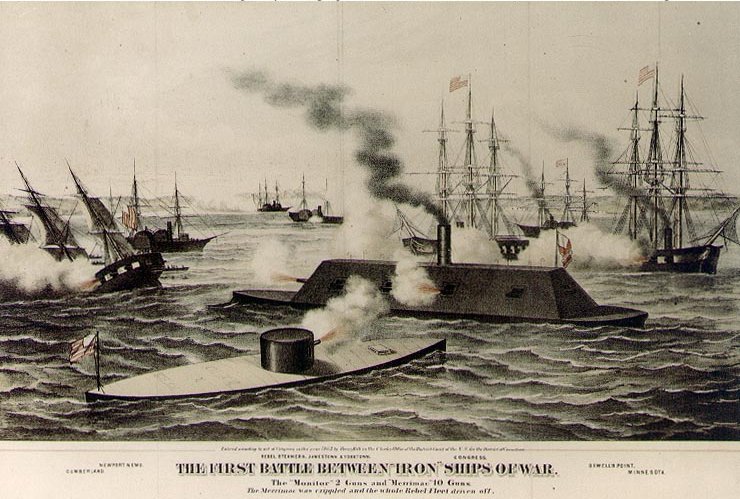
This first major naval battle took place on March 9th,
1862. Between the Confederate seized ship, the Merrimack, and the modern Union
ship, the Monitor, both sides faced off at Hampton Roads, Virginia, right next
to the mouth of the James River. Even though the Confederate forces assigned up
to two more ships to sail around them in defense, the Union ship proved to be
superior. Fitted with technology far more advanced than that of the Merrimack,
the Monitor quickly wrapped up the battle at dawn.
Primary Source:
This website provides not only a detailed explanation of
the Battle of Merrimack vs. Monitor, but great images from the war. Thus, the
reader can see the brutality of one of the most significant battles of the
Civil War while reading all the facts about the event. Another great aspect of
this website is that it connects the background information and the
significance of the event into a short and concise page.
The Battle of Antietam

On September 17th, 1862, the bloodiest one-day battle that
had ever been fought in America was fought Sharpsburg. General Lee led the
Confederates, while General McClellan led the Union. Out of desperation, he had
been reinstated as head of the Potomac Army. Upon encountering Lee, McClellan
situated his troops and commanded them to fight. Casualties on both side
exceeded five thousand while several more thousand were injured. Ironically,
neither side won. As Lee retreated, McClellan was slow in pursuing him, leading
to his removal from his position as General.
The Battle of Chancellorsville
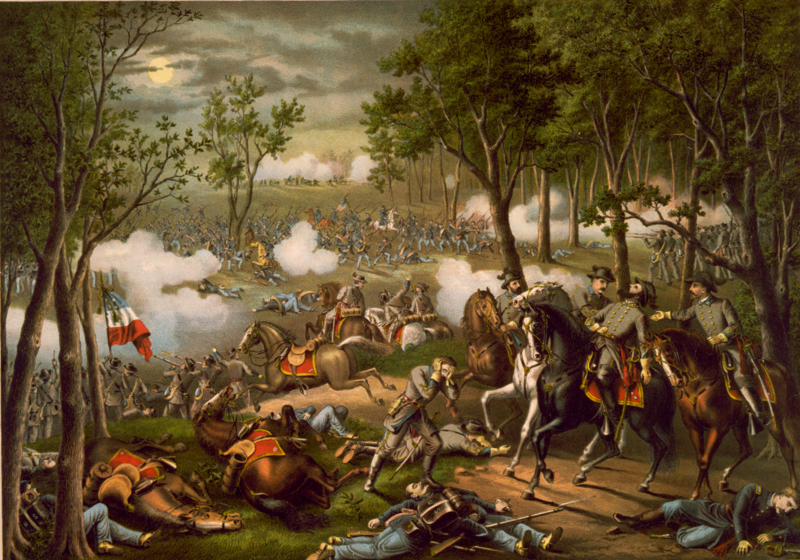
On May 2nd, 1863, the North suffered their last
defeat at the hands of the Confederate forces. The Army of the Potomac, led by
Joseph Hooker, boasted a size almost double of the Confederate. Attacked from
all surrounding sides, Confederate General Lee’s battle plan collaborated with
General Jackson was considered one of the most intelligent battle plans devised
in the Civil War. Although this one-day battle ended in a loss for the Union, in
a way they were victorious, for Jackson’s battle wounds inflicted on him during
the battle caused his death.
The Battle of Vicksburg

One of the longest battles in the duration of the Civil
War, lasting from May 18th, 1863 to July 4th 1863, was
the final triumph in the Union’s favor.
Part 1 – Over the dates of May 18th to May 22nd,
General Ulysses S. Grant marched his forces in a bold move over the Mississippi
River. Although this move cost him the safety of his supplies and communication
with Lincoln, General Grant was able to win successive victories over the
Confederate forces. Upon reaching the city’s main defense, Grant agreed to
launch a siege on May 22nd.
Part 2 – Faced with the possibility of defeat, the
Confederates, prepared to invade the Northeast. While this would leave
Vicksburg open for a sure victory by the Union, capturing the Northeast would
tip the war in the South’s favor. Traveling to Gettysburg, Pennsylvania, Lee
and his troops encountered the Union troops atop Cemetery Ridge and Culp’s
Hill. This time, as the advantage of terrain lay in the North’s favor, the
South dropped to a disadvantage a) they did not know the terrain/territory that
well and b) the Union troops were stationed at a higher ground than them.
The Battle of Gettysburg

After just three days of fighting, Lee came to the
conclusion that a victory was impossible for the Confederate victory. As the
Union line of defense became too powerful for Lee’s troops to break through,
Lee was faced with the decision of retreating or fighting. Making a decision
based on his pride rather than intelligence, Lee called for an all out attack
to commence. This time, the number of deaths on Lee’s side doubled. Evidently
defeated, Lee led his troops back to the Potomac. Soon, Vicksburg fell in the favor of the
Union. Lincoln first celebrated but then became angry, for again the Union army
had let Lee slip away in retreat rather then capturing his army to discourage
any further chances of an attack.
Multimedia Source:
Here is a video that summarizes the events of the 'Bloodiest Battle in History' - The Battle of Gettysburg:
Sherman’s March

General William Sherman, a leader for the Union, led this
march from November 15th, 1864 to December 21st, 1864.
Leading his troops from the city of Atlanta to Savannah, Sherman’s main goal
was to cause havoc and destruction on his way. By destroying buildings and
plantations, he further decreased the Confederate’s morale to try and win the
war.
The Battle of Appomattox Courthouse

After capturing the port city of Savannah, General Sherman
joined forces with General Grant to put forth one last war effort. With the
intent of capturing the Carolinas, both generals encountered the weak and
starving Confederate army. This time, Lee complied with the demand to surrender
to the Union. Officially, Lee surrendered on April 9th, 1865, at the
Appomattox Courthouse.
Civil War Medicine
Throughout the course of the Civil War, new medicine
practices were developed that helped save millions of lives as well as
revolutionize the medicine industry. Some important discoveries include:
- · Anesthetics
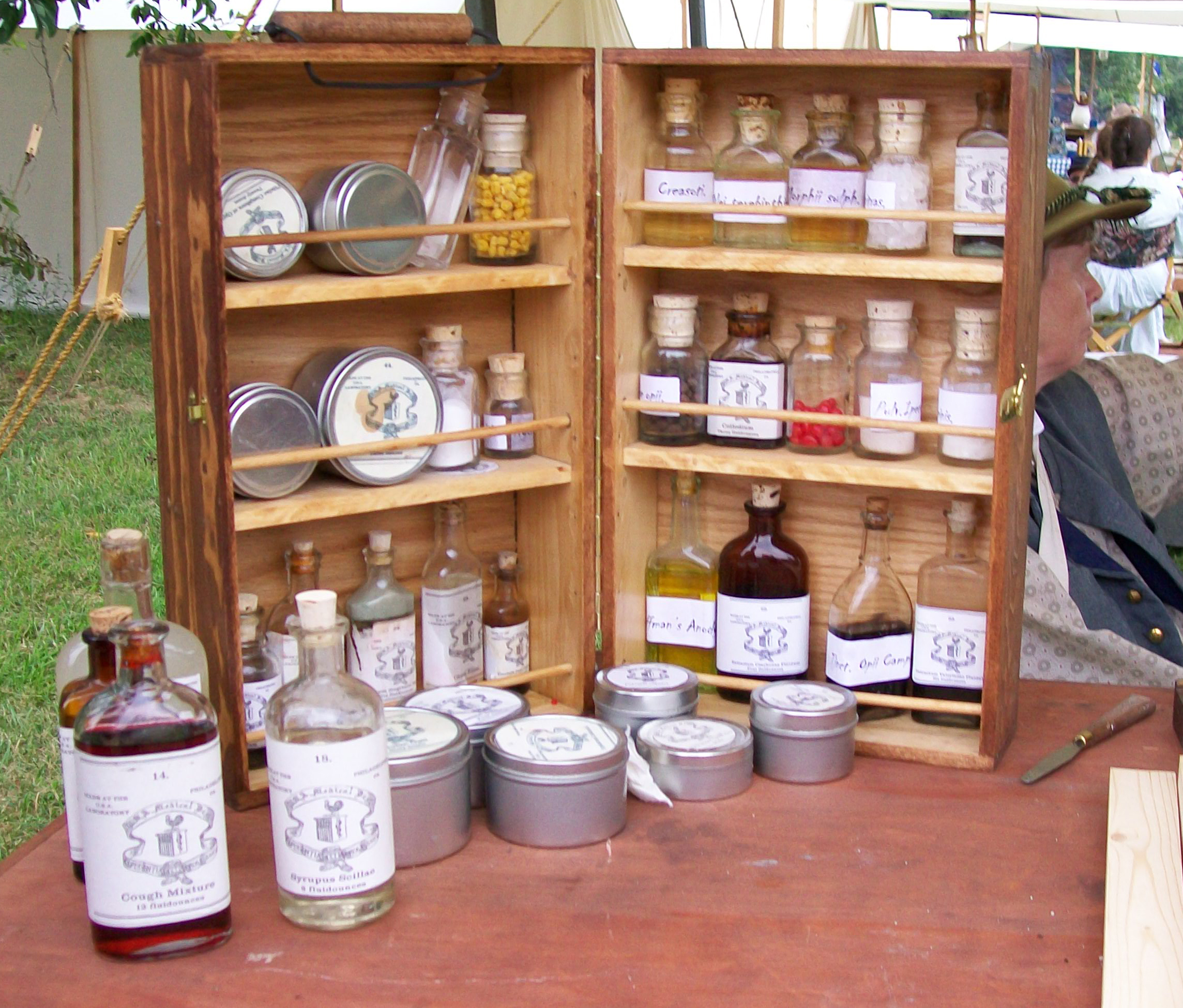
o Helped
take the patient “under” during amputation or other intense surgery
o Was
created with substances such as chloroform or alcohol
- · Nurses
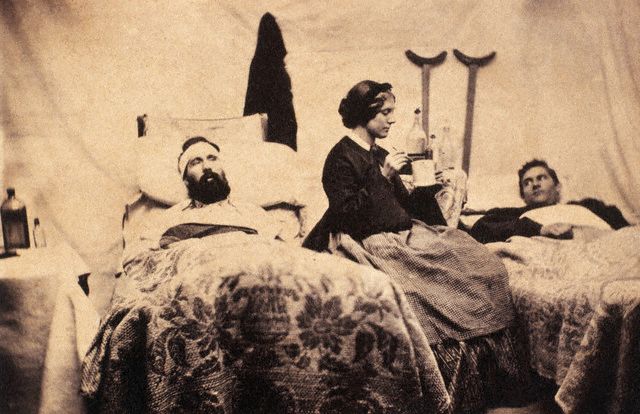
o Became
known as the “Angels of the Battlefield”
o Helped
reduce workload for the surgeons
o Picked
out the most desperate who needed immediate attention
o Clara
Barton, who was a Civil War nurse, created the Red Cross
- · Antibiotics
o Helped
relieve pain from injuries
o Avoided
the chance of contracting a life-threatening disease, such as Gangrene
- · Improved
weapons

o The
Minie Ball – An improved type of bullet that improved traveling speed as well
as body damage
o Muskets
were built to be more effective
- · Developed
Industries
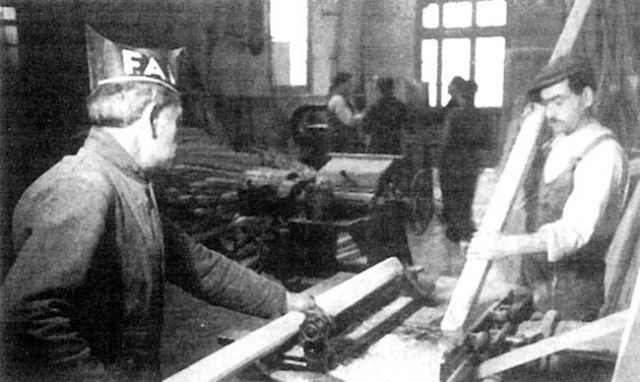
o Jobs
opened up in new factories that were built with the intent to raise production
for built goods
o This
hurt the South, because they had no self-sufficient industries (they relied on
the North before the war)
- · Communication

o Mainly
used by the North
o Telegraphs,
Railroads, Morse Code
o Telegraphs
rapidly transmitted messages from battlefields to Lincoln’s desk to provide
constant updates
o Railroads
shipped supplies to build new tracks
o Morse
code was used as a form of communication between people
Life as a Soldier
.jpg)
Life as a Soldier was fear driven, but it was only for those
willing to risk it all for America. Many of the men and women who volunteered
their time valued the reasons behind their cause of fighting for their freedom.
However, as a soldier, everyday was hard. Food was rationed, death was frequent
and disease and dirt was a new lifestyle that became a norm for the soldiers.

No comments:
Post a Comment