Some of the greatest leaders emerged from the Civil War. Aside from leading their followers through the war, they made a name for themselves in history. Although dangerous, these men took steps to fight for not only themselves, but their cause.
Abraham
Lincoln
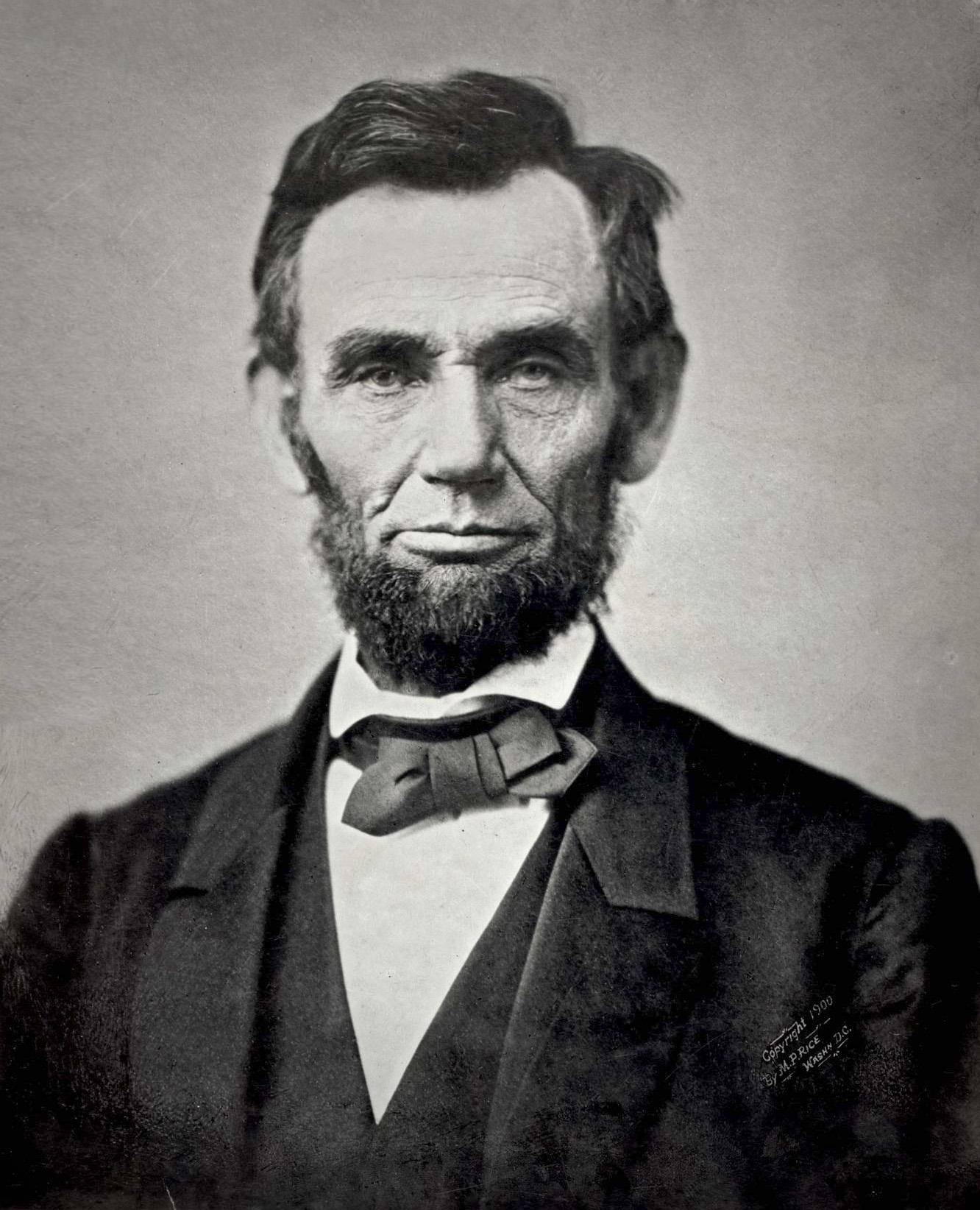
- (February 12, 1809 – April 14, 1865)
- Served in the Black Hawk War as a militia captain
- Earned a seat on the Illinois legislature
- Participated in the Lincoln-Douglas debates with senator Stephen Douglas
o
His view of anti-slavery enraged Southerners
- Became the sixteenth president after winning the election of 1860
- His decision to fight the Civil War was based off his determination to keep the United States together, as he saw it as part of his job as President
o
Introduced new weapons into the Civil War
o
Had great leadership in smoothly directing generals and guiding
soldiers
o
Allowed African Americans to fight in the ranks, which proved to
be an advantage over the South
- Killed April 14th, 1865 by professional actor John Wilkes Booth with a single gunshot to the head at point blank range
o Died one day later
Jefferson Davis
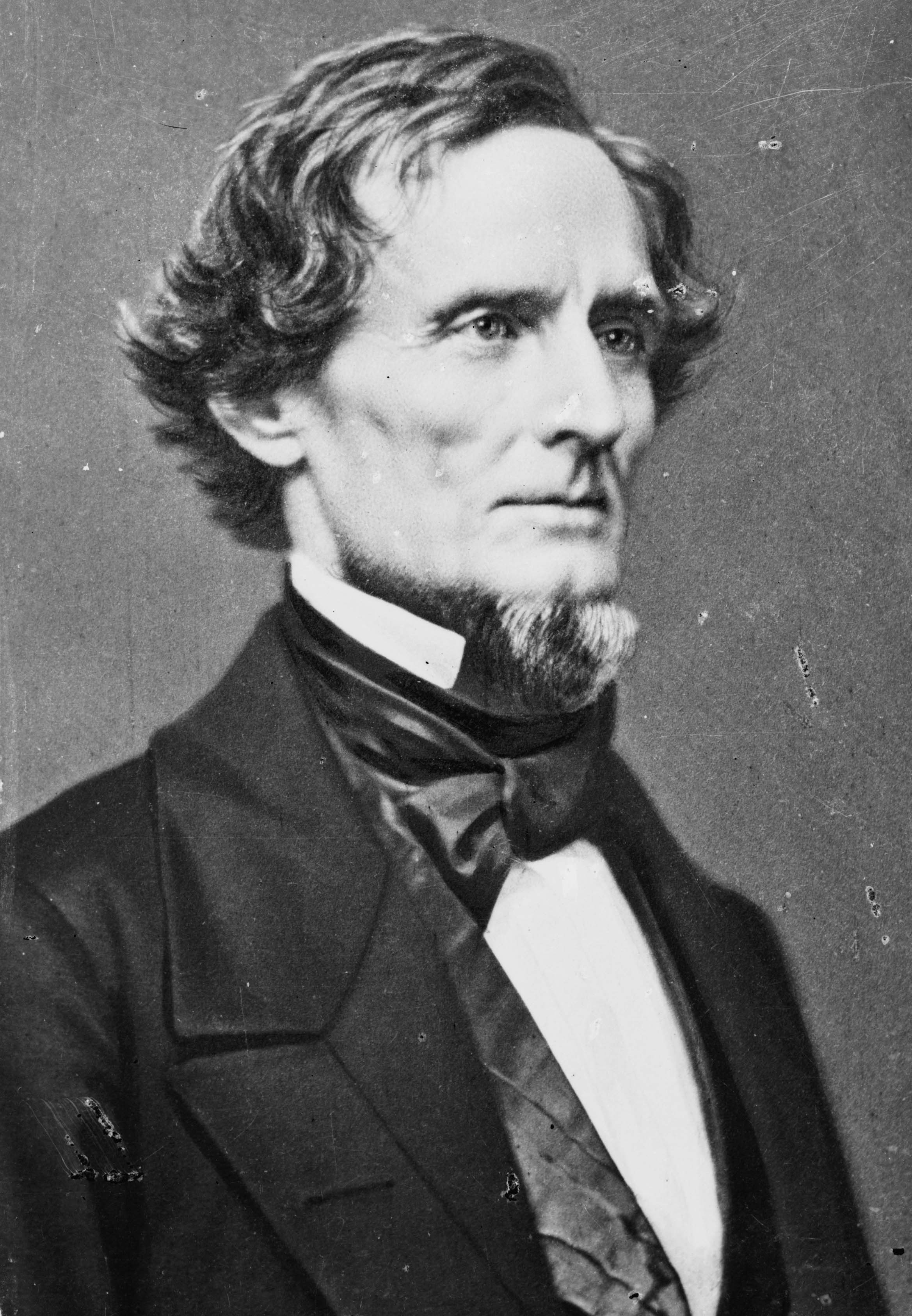
- (June 3, 1808 – December 6, 1889)
- Born in Fairview, Kentucky
- Served in the Black Hawk War under Zachary Taylor
- Served in the Mexican-American War
- Had a great dedication to serving the Confederates as their president
- However, he was not a good leader
o
Was irresponsible
o
Often elected irresponsible leaders to posts they could not
handle
o
Bickered with his fellow generals
- Was imprisoned at Fort Monroe but released on bond two years later
Stephen
Douglas

- (April 23, 1813 – June 3, 1861)
- Born in Brandon, Vermont
- Politician for Illinois
- Debated with Abraham Lincoln in a series of debates known as the Lincoln-Douglas Debates
o Won the title of senator over
Lincoln
o Defeated by Lincoln in the
presidential election of 1860
- Created the Kansas-Nebraska Act of 1854
- Was a great orator
- Advocated Popular Sovereignty, in which the people of America had the right to make their decisions, rather than congress
o His policy of Popular
Sovereignty led to Bleeding Kansas
- Became the nominee for the Northern Democrats in the presidential election of 1860
- Eventually gave his support to Lincoln in fighting the Civil War
Frederick
Douglass

- (February 1818 – February 20, 1895)
- Born in Talbot-County, Maryland
- Born into slavery
o Was educated in secret at the
age of twelve
o Escaped slavery at the age of
twenty
- Fought slavery at the side of William Lloyd Garrison
- Wrote several books such as the “Narrative of the Life of Frederick Douglass” and newspapers such as “The North Star”
- Was the most prominent African American advocate in the Civil War
John
Brown

- (May 9, 1800 – December 2, 1859)
- Born in Torrington, Connecticut
- Raised by his family's standards of anti-slavery
o
Supported the abolitionist movement by serving in the
Underground Railroad when he was young
- Led the plan to capture Harper's Ferry in Virginia
o
Wanted to raid the Ferry and arm the slaves with firearms so
they could join Browns's army to fight other acts of slavery in the south
- Raided Harper's Ferry on October 16th, 1859
o
His plan fell apart, due to the lack of cooperation from the
slaves as well as the militia (who was led under Robert E. Lee)
- America was divided on whether to regard Brown as a hero or a madman
- Brown was eventually hung on December 2nd, 1859
George
McClellan
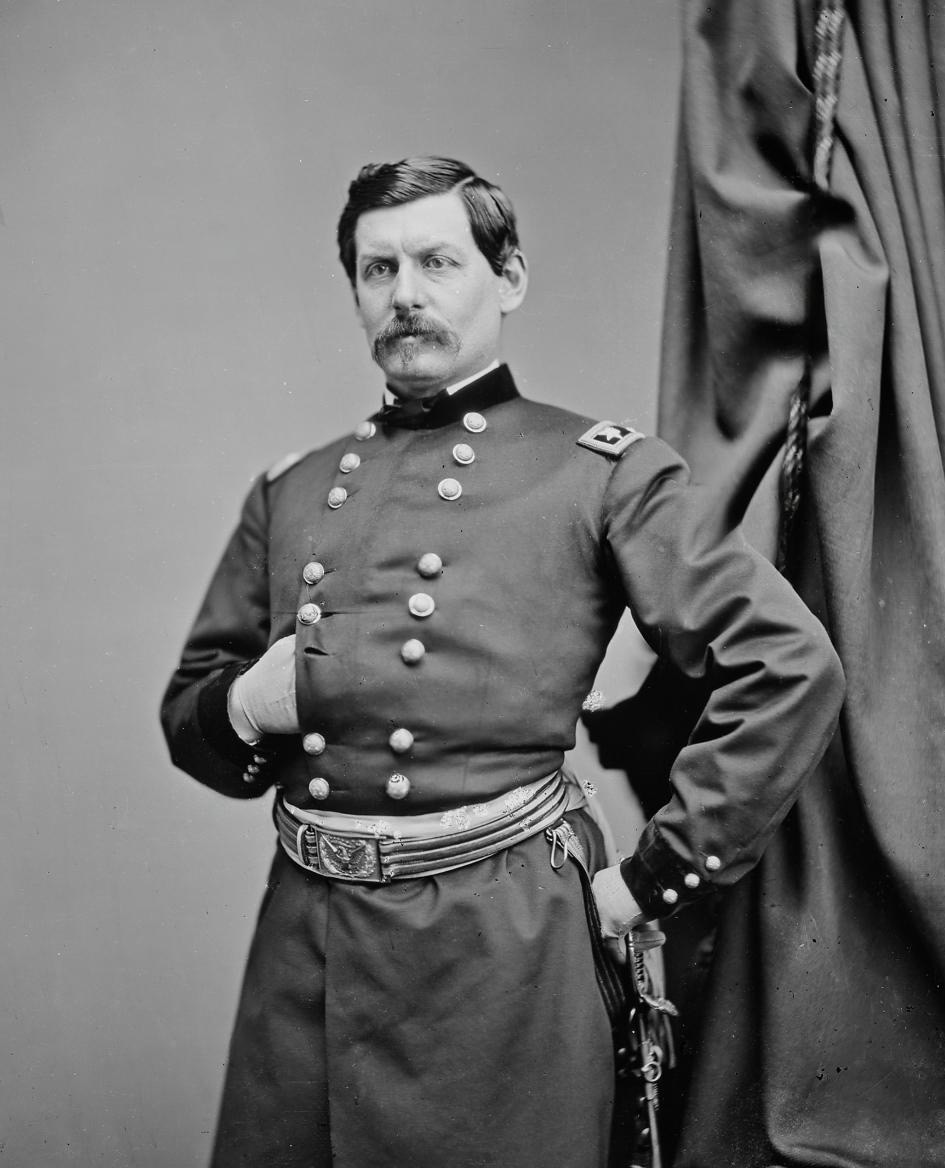
- (December 3, 1826 – October 29, 1885)
- Born in Philadelphia, Pennsylvania
- Served under General Winfield Scott in the Mexican-American War
- Became the Commander of the Potomac Army and the General of all armies
o Resented for his military
style
o Was very wary of acting
quickly
o Preferred to act slowly and
strategically
- Was denounced by Lincoln as leading General of all armies however he remained the Commander of the Potomac Army
- Recovered Robert E. Lee's invasion plans
- Won the Battle of Antietam, however, McClellans's inability to take decisive action and pursue the retreating Confederate troops led to Lincoln's final removal of him as Commander of the Potomac Army
Robert
E. Lee

- (January 19, 1807 – October 12, 1870)
- Born in Stratford Hall, Virginia
- Son of Revolutionary War great, Henry Lee
- Educated many men who would later turn out to fight with and against him in the Civil War
- Helped put down John Brown's raid on Harper's Ferry in Virginia
- Lincoln originally offered Lee the opportunity to lead the Federal Armies of the Union, but Lee opted to serve the Confederate Army
- At first became the Commander of the Northern Army
- Confederate President Jefferson Davis placed Lee in change of all armies
- Won most battles on Southern soil, but lost all battles fought on Union territory
- Ultimately had to surrender at Appomattox Court House
This website provides a detailed background that chronologically describes Robert E. Lee's life from start to finish. Depicting his achievements in the Civil War, readers are able to fully understand Lee's journey he took to becoming a great military leader of the Confederates.
T.J.
"Stonewall" Jackson

- (January 21, 1824 – May 10, 1863)
- Born in Clarksburg, Virginia
- Served as a second lieutenant in the Mexican-American war
- Taught by Robert E. Lee
- The Battle of First Manassas earned him the nickname "Stonewall", for his resilience and strategy
- Wounded in friendly fire with a comrade on May 2nd, 1863
- Eight days later, on May 10th, 1863, he died of pneumonia, as a result of having his left arm amputated from the accident
P.
G. T. Beauregard

- (May 28, 1818 – February 20, 1893)
- Born in St. Bernard Perish, Louisiana
- Served as a civil engineer in the Mexican-American War
- Was the victor at the Battle of Bull Run
- One of his greatest accomplishments was successfully defending the city of Petersburg, Virginia
- His influence over Confederate decisions was weakened due to his poor relationships with President Jefferson Davis and other highly ranked Generals
o However, Beauregard and his
Commander General Johnson were able to successfully convince Davis that the
Confederate army needed to surrender
Ulysses
Grant

- (April 27, 1822 – July 23, 1885)
- Born in Point Pleasant, Ohio
- Served as a captain in the Mexican-American War
- When he first joined the Union he was given Command over the District of Southeast Missouri
- Supported greatly by Lincoln
- Eventually led his forces to destroy and cause Robert E. Lee’s surrender at the Appomattox Court
- Post-civil war, in the election of 1868, he was elected as the eighteenth president of America
o
Put many Reconstruction policies into place, but
they were soon undone at the end of his second term
Thaddeus Stevens
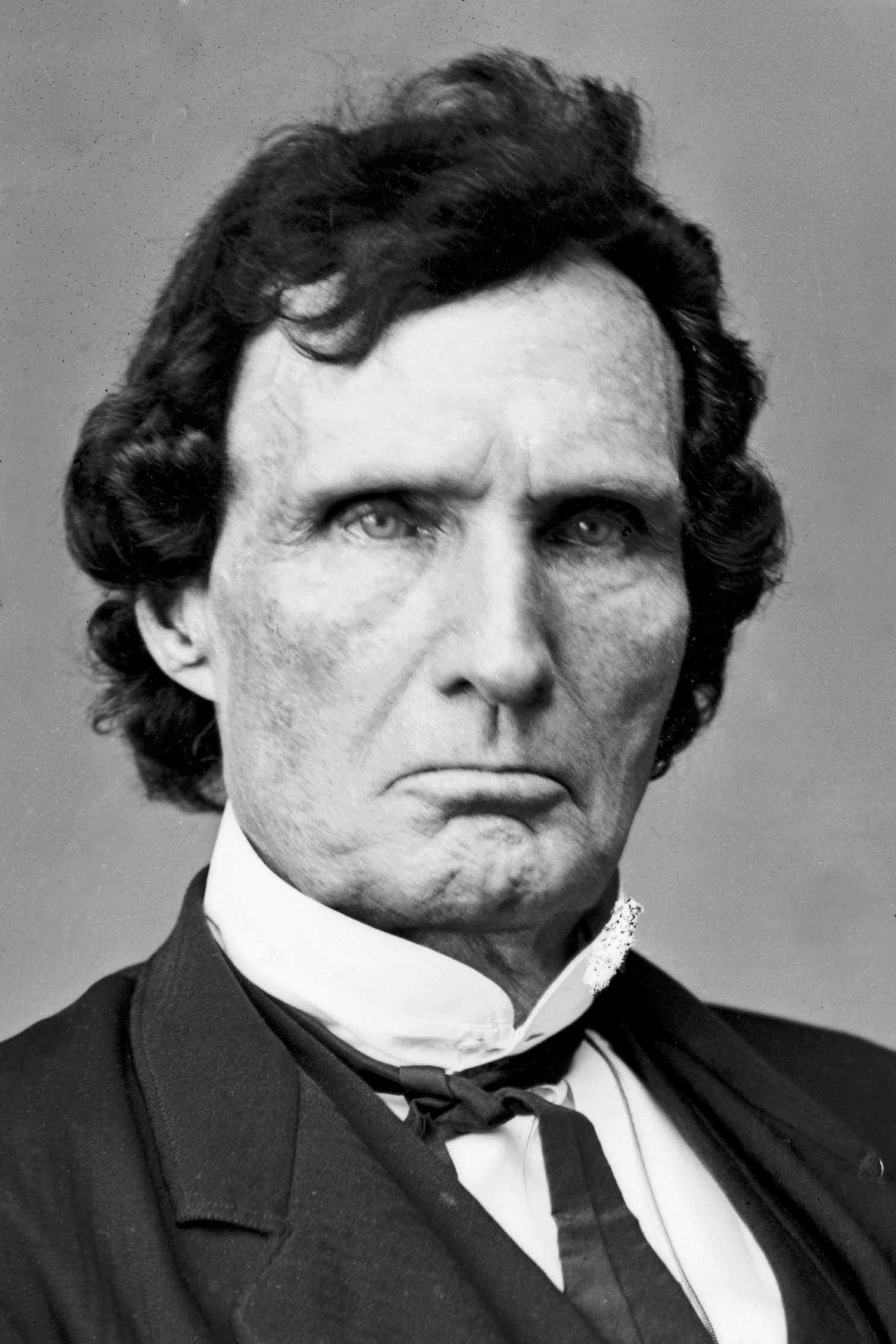
- (April 4, 1792 – August 11, 1868)
- Born in Danville, Vermont
- Became actively involved in helping slaves along the Underground Railroad
- Actively proposed several Reconstruction ideas, to which were shot down by Johnson
o
Spearheaded the
impeachment process of President Andrew Johnson
- Helped draft the 14th Amendment
- Helped draft the Reconstruction Act of 1867
Rutherford B. Hayes

- (October 4, 1822 – January 17, 1893(
- Born in Delaware, Ohio
- Strongly opposed slavery
- Served as a major in the 23rd Ohio Volunteer Infantry
- Severely wounded in the Battle of South Mountain
- Won the election of 1876 through the Compromise of 1877
- Reformed many past problems:
o Protected the political, economical and civil rights of southern
African Americans
o Allowed women attorneys to appear in the U.S. Supreme Court
o Allowed civil service reform
o Took concern regarding immigrants and non wealthy people
- Opted to not be reelected for a second term
Benjamin Wade

- (October 27, 1800 – March 2, 1878)
- Born in Springfield, Massachusetts
- Was originally a member of the Whig Party
- Became an Ohio Senator
- Was a very radical politician
o Supported Women’s Rights
o Advocated equal civil rights for African Americans
- Was a co-author to the Wade-Davis Bill
- Although Wade was the next successor to President Andrew Johnson’s term, he was widely disliked by many senators
o Due to his radical views
- In turn, Johnson was allowed to finish his remaining year as President as long as he followed the Democrat and Republican party’s requirements
John Wilkes Booth

- (May 10, 1838 – April 28, 1865)
- Born in Bel Air, Maryland
- Killed President Abraham Lincoln on April 9th, 1865
o Shot him in Ford Theatre, Washington D.C.
o Originally planned to kidnap Lincoln
o Fled after assassination
o Hid out in an old barn until his death twelve days later
§
Was killed by a Union
soldier who set the barn ablaze
Ku Klux Klan

- Founded in 1866
- Formed to oppose the transition by the South to the Reconstruction policies that established equality for African Americans
- Had a cult-like wardrobe
o Dressed in a white robe, mask and hats
o This costume hid their identities and also scare African
Americans
- Wanted to reestablish white supremacy in the South as well as reverse the progress made through the Reconstruction Era
Multimedia Source:
Here is a video that I created to provide insight to the creation and upholding of the KKK.

No comments:
Post a Comment