Politics played a crucial role in the Civil War, from beginning to end. Through the development of political parties, strife was brought between the North and South
Emerging Parties leading up to the conflict
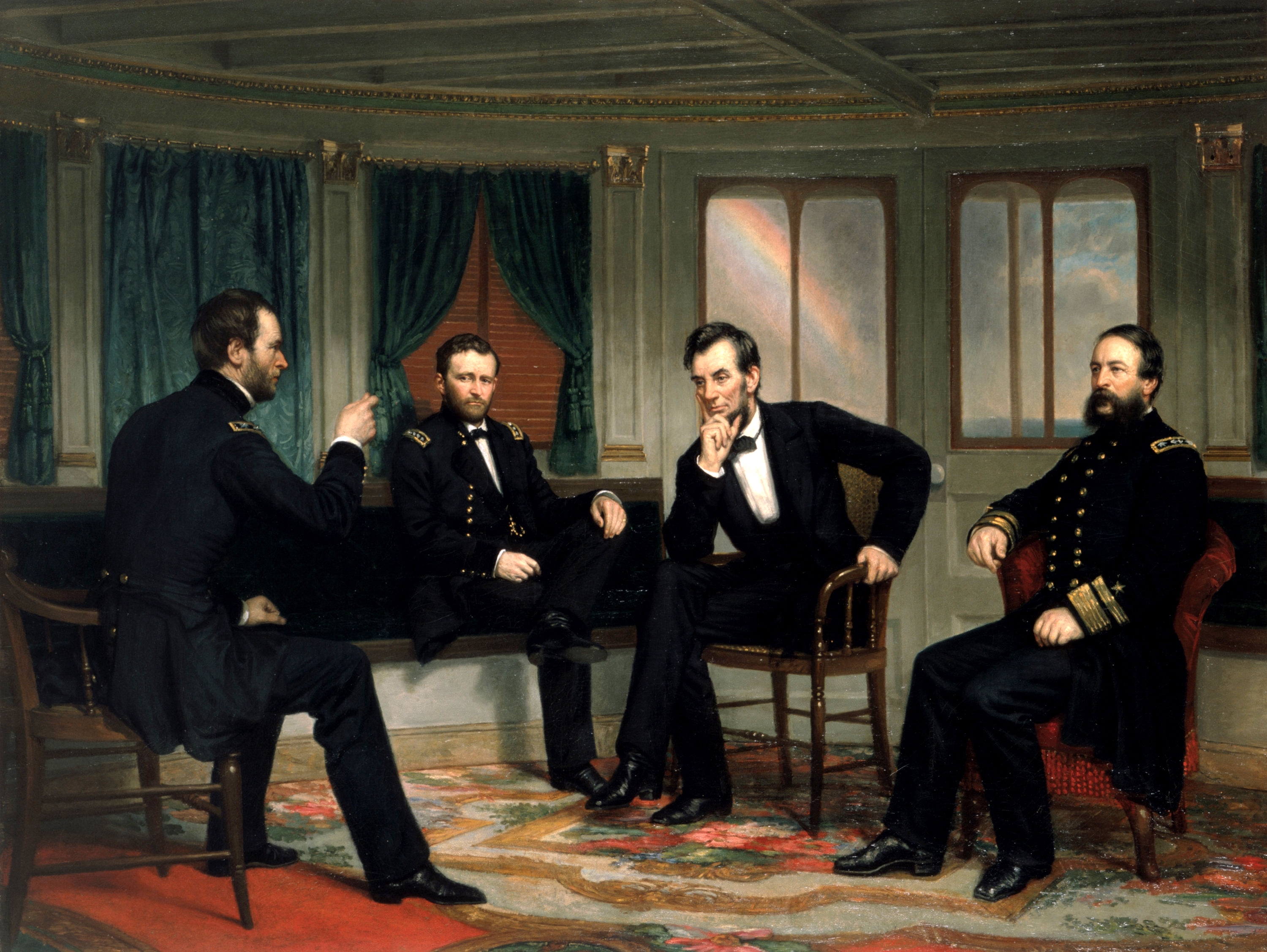
After the election of 1860, the parties were
split. The republicans had confidence in their representative, Abraham Lincoln.
On the other hand, the Democrats were divided on their opinions, leading to
split candidates, the Northern Democrats being represented by Stephen Douglas,
the Southern Democrats being represented by John Breckinridge and the
Constitutional Union being represented by John Bell. The views of the nominees on
slavery were as follows:
Abraham Lincoln – Opposed the spread of
slavery
Stephen Douglas – Wanted to utilize
popular sovereignty and let the people decide their opinion
John Breckinridge – Was supportive
on the idea of slavery
John Bell – Was undecided on the
issue of slavery
As predicted, Lincoln pulled the victory for
the Republicans. After this election of 1860, tensions soon rose among the
parties.
Conscription in the Union and Confederacy

Conscription:
• The act of non-voluntarily drafting people to
serve in the army.
• Enacted in 1862, due to lack of volunteers.
In the Union:
• Required all men ages eighteen to forty-five
to serve in the army for up to nine months.
• States would be required to fill quotas based
on how many soldiers they offered.
In the Confederacy:
• The only men exempt from Conscription were
workers deemed “essential” to the prosperity of the war effort.
• All other men aged eighteen to thirty-five
were required to serve in the army for up to one year.
Both:
• Initially had to reject volunteers due to the
inability to arm and outfit everyone.
• However, as fighting became increasingly
intense, many became reluctant to risk their lives.
• Many used substitution to avoid drafting.
Copperheads

The copper heads were a group of Democrats,
located in the North, placing them on the Union side. This group found most of
their strength in the Midwest states, home to many Southern roots. Unlike
others, this group called for peace without fighting. In attempts to sabotage
the war, the resisted drafting laws, helped prisoners of wars and conversed
frequently with confederate leaders. Looking back to previous presidents such
as Thomas Jefferson and Andrew Jackson, the Copperheads based their ideals off
of these men. Although this group did not change much in the war, it smeared
the Democratic Party with the label of disloyalty.
Lincoln’s Leadership

Taking office as the sixteenth president amidst
the start of one of the deadliest wars fought in America, Abraham Lincoln took
everything in stride. Through his courageousness and intelligence, Lincoln led
the Union to a great victory over the Confederates. Although saddled with some
defeats, he always rebounded with another strategic battle plan. Lincoln
maintained his stance on equality throughout the war as a commander by placing
all men (such a blacks) possible into position to reiterate his point. As well
as this, he was incredibly humble in turning over the lead to other generals.
Thus, Abraham Lincoln proved throughout the Civil War that he was a man of
leadership.
This website provides not only a description of Abraham
Lincoln’s contributions in the Civil War, but a detailed background surrounding
his childhood and development into become a great leader of America. Using this
website, readers are able to understand better Lincoln’s achievements in events
other than the Civil War.
Emancipation Proclamation

This document, issued by Lincoln on January
1st, 1863, declared all slaves free. As good as this sounded to
African-Americans across America, unfortunately, it was not true. The
Emancipation Proclamation was invalid to loyal states of the Union and occupied
areas, leaving slaves misinformed. However, this document did establish slavery
to be known as the aim of the Civil War. In addition, the document helped
strengthen the breakdown of slavery as a whole. As a whole, the Emancipation
Proclamation helped free one-fourth of the slave population in America.
Here is a video that summarizes the development and establishment of the Emancipation Proclamation, one of the most important documents in history that changed the outcome of the Civil War.
Scalawags
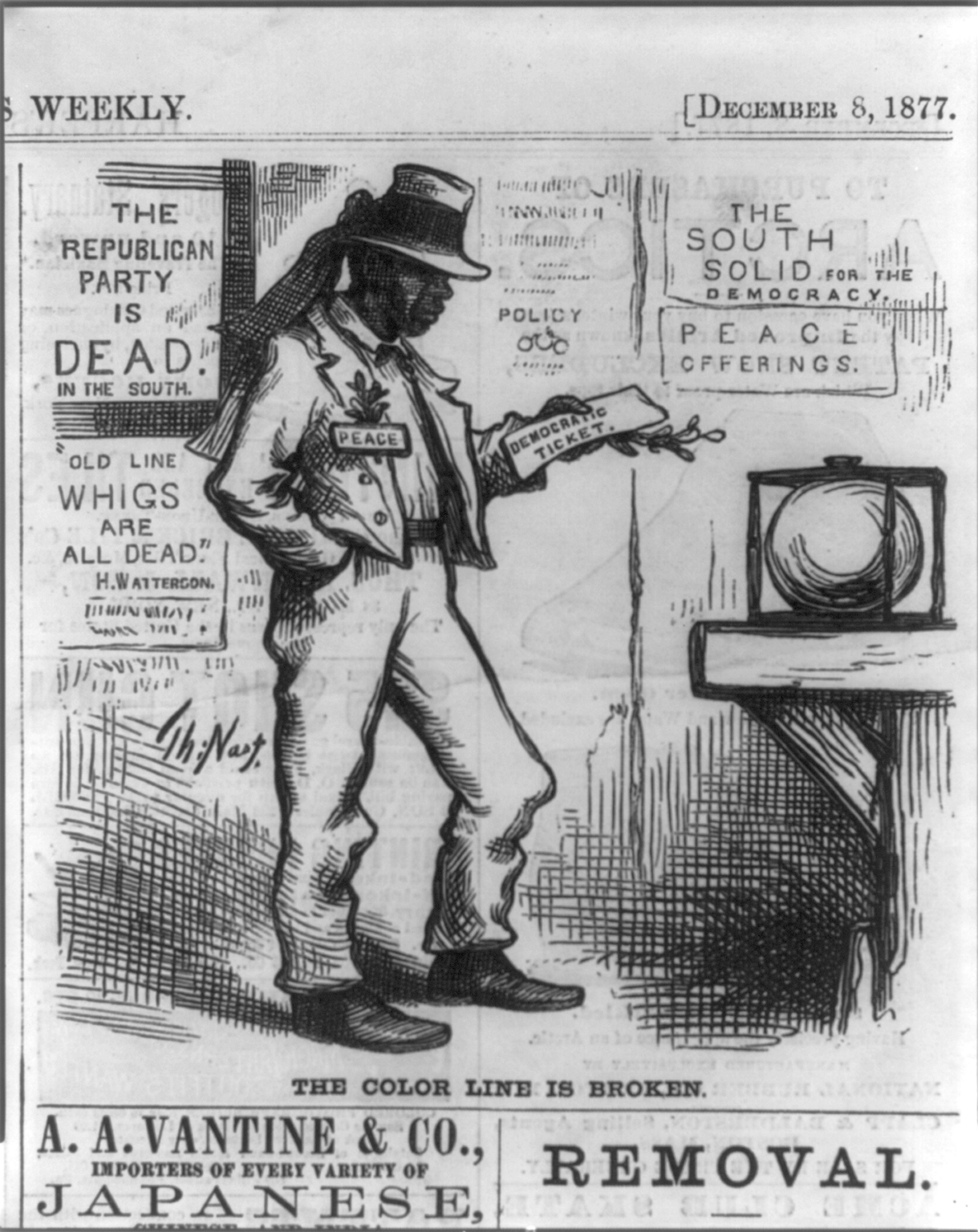
This term was given to White Southerners who
supported ideas such as Reconstruction and the Republican Party. This slur was
used against Southerners who were thought to have betrayed the South’s
principles by supporting Northern standards.
Carpetbaggers
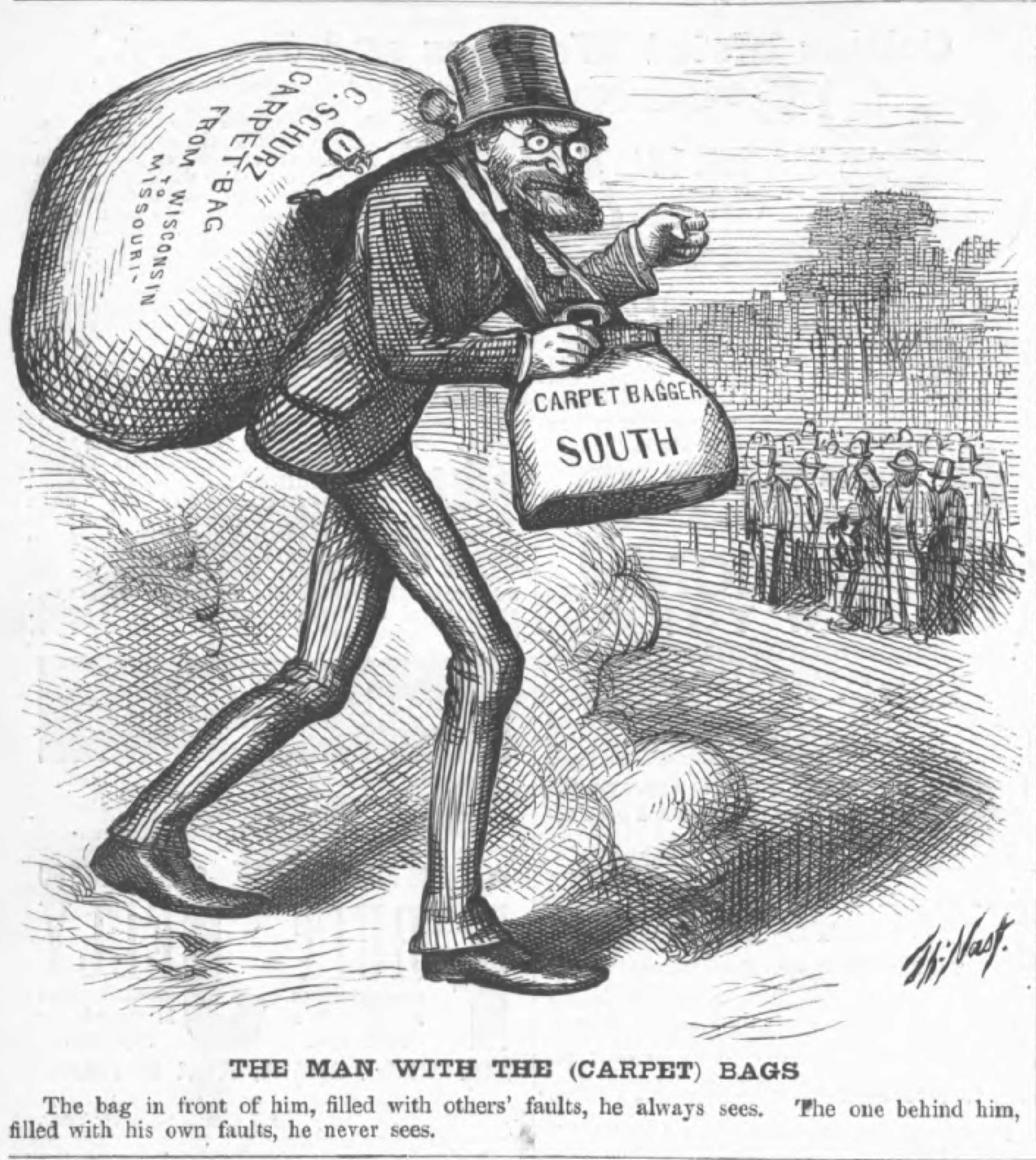
This term was given to Northerners who moved to
the South during the Reconstruction Era. The reason behind the sudden migration
to the South was due to the opportunity that arose for businessmen, teachers,
missionaries and plantation owners. Southerners regarded them warily, for they
only saw the intention for the Northerners to ravage the remains of the
destroyed South.
Freedmen’s Bureau

Post-war, many of the slaves freed on behalf of
the Emancipation Proclamation found themselves homeless, without food or
clothes to survive. This program established by the Government in 1865 helped
restore slaves’ lives by providing all essentials such as pensions, temporary
homes and more. In addition to all of this, the program encouraged a friendship
between African Americans and Americans rather than a ownership. However, even
though this program had good intention, it proved to be harder than imagined,
leading to its end in 1869.
10 Percent Plan
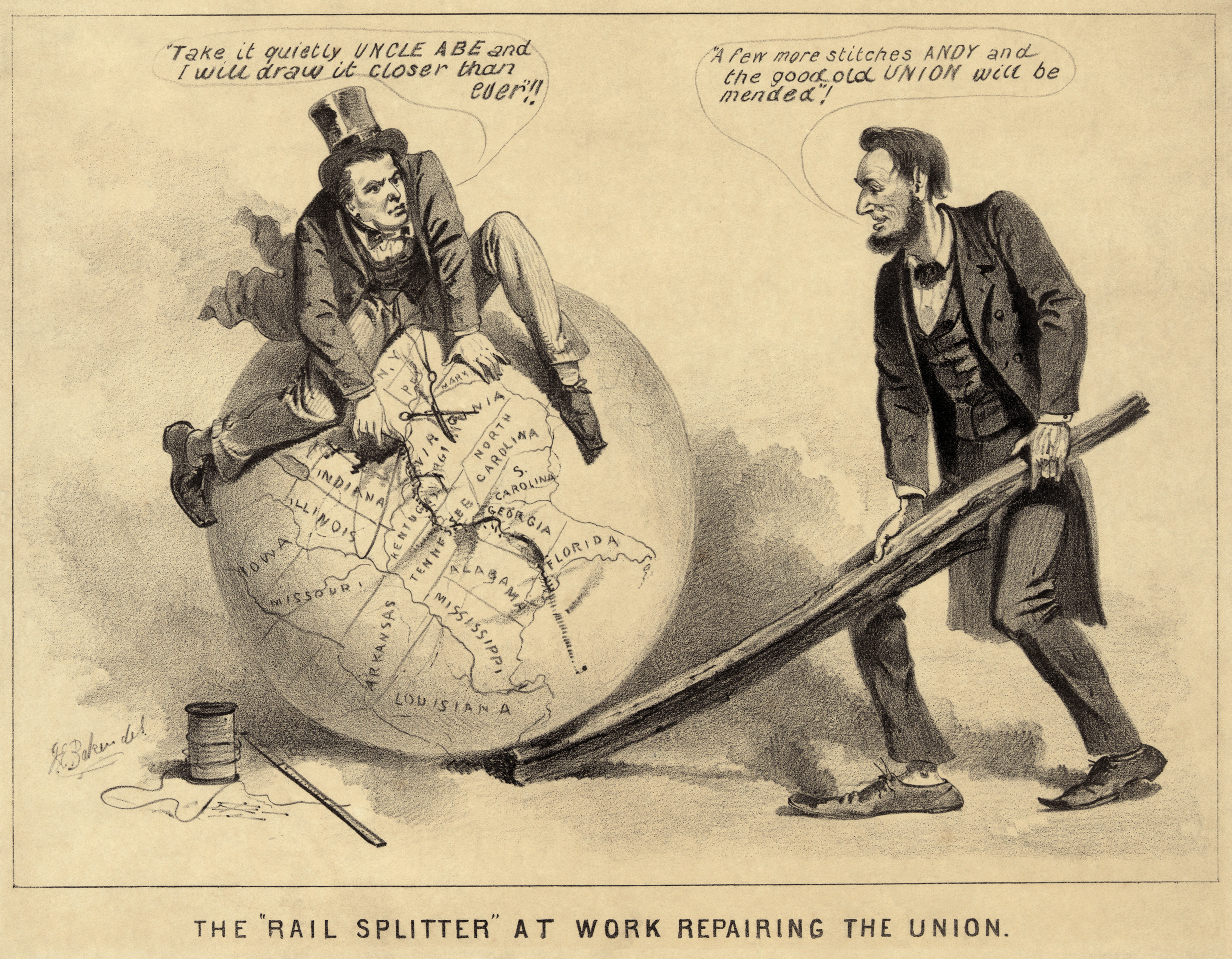
Post-war, Lincoln faced a decision regarding
the fate of the Confederacy. His leniency showed when he granted a pardon to
most Southerners with their acceptance of the ten percent plan. In this plan:
• AT LEAST ten percent of every Confederate
state had to pledge their oath.
• Until then, the states were not authorized to
create their own Government.
• The oath included an acceptance of the
Emancipation Proclamation as well as an agreement of loyalty to the Union.
However, most Southern states, excluding
Louisiana and Arkansas, refused to comply with Lincoln’s ideas of
Reconstruction. In their minds, they saw Lincoln as a president who was abusing
his powers to benefit the Union rather than the Confederates. Congress
retaliated by proposing the Wade-Davis Bill, in which fifty percent of the
state would have to agree to the oath. Refusing to pass the bill, Lincoln and
his congress remained in a stalemate for the duration of the war. However, just
as Lincoln began to show signs of a compromise, he was assassinated, leaving
the issue unresolved.
13th, 14th and 15th Amendments

13th Amendment:
Ratified on December 6th, 1865, this Amendment
was the first of three amendments created on the basis of the Civil War. It
declared the continuance of slavery in the United States illegal, the only
exception being the use of it was justified in terms of punishment for
committed crimes.
14th Amendment:
Ratified on July 9th, 1868, this Amendment was
the second of three amendments created on the basis of the Civil War. It was
the most important amendment ever ratified, for it gave the Government the
ability to grant citizenship to all Americans. Sections two through four
addressed the states and their powers, as deemed by the Government. The
Confederate states were mandated to acknowledge equality of African Americans,
understand that they would not be given an option to run for federal office,
and forced to pay their Confederate debt.
Through the ratification of this amendment,
Andrew Johnson found himself weakened to a great extent. Refusing to back down,
in the election of 1866, he went berserk. As many Americans saw him as unfit to
lead the country, the Republican Party gained a significant amount of support
in both government houses.
15th Amendment:
Ratified on February 3rd, 1870, this Amendment
was the last of three amendments created on the basis of the Civil War. It
declared any citizen of America the right to vote, disregarding race or color.
However, the South’s resentment regarding the equality of African Americans led
them to take all costs to ensure the segregation of Blacks. Through literacy
tests and poll taxes, the Southerners effectively discouraged African Americans
from voting.
Tenure of Office Act

Passed March 2nd, 1867 by congress, this act
prohibited the President from removing any federal officeholder previously
appointed by the Senate, without its consent. It also granted cabinet members a
guaranteed full term, unless stated otherwise by the Senate.
This act was created on a basis of the conflict
between Secretary of War Edwin Stanton and President Johnson. Johnson’s
decision to replace Stanton with General Ulysses Grant, sending the Radical
Republicans into a frenzy. In order to insure Stanton’s continuance in office,
the Tenure of Office Act was passed. When Johnson continued his disregard of
the act, several senators began the process of impeachment. However, Johnson
narrowly was acquitted by one vote.
Military Reconstruction Act
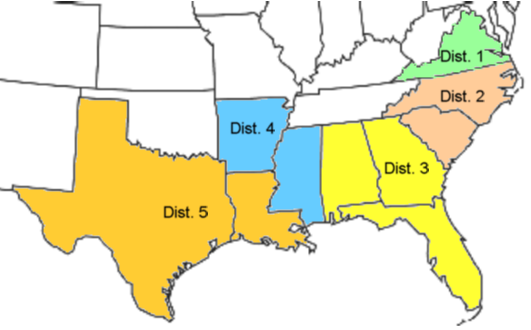
Also known as the First Reconstruction Act,
this was passed on March 2nd, 1867. It applied to all Confederate states, with
the exception of Tennessee, who had willingly ratified the Fourteenth
Amendment. The remaining Confederate states were split into five military
districts, each controlled by a Northern General. This act also required:
• New state delegates
• New state constitutions that stated the
acceptance of the Fourteenth Amendment
• Equal rights for all citizens, regardless of
race or color.
Many Southerners viewed this as discriminatory
towards the South, as it appeared to them that the Government was trying to
show their dominance over them. Although Johnson attempted to veto this act,
Congress nullified this.
Compromise of 1877
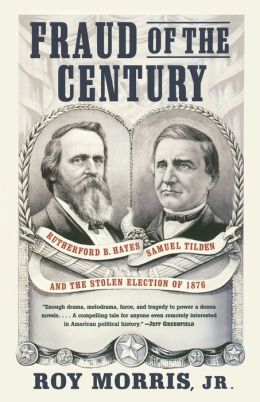
During the election of 1876, the two main
candidates Rutherford Hayes and Samuel Tilden found them deadlocked with Tilden
having a slight advantage. However, when the results from Republican controlled
states South Carolina, Florida and Louisiana were contested, it put the
election in jeopardy. Congress attempted to resolve this by appointing special
electoral commission consisting of seven Republicans, seven Democrats and one
independent to decide the receiver of the disputed states’ votes. However, when
the independent unexpectedly resigned, an eighth Republican was appointed,
narrowly giving Republicans control. As expected, Hayes was awarded the votes,
however, the Democrat dominating HOR had the power to turn election in Tilden’s
favor. Panicking, Republican leaders secretly met and negotiated with Southern
Democrats to created the Compromise of 1877. Agreeing to accept Hayes as the
victor of the 1876 election, the Democrats demanded a removal of all troops
from the South, to which the Republicans consented. Thus, Hayes won Presidency
and the South won their freedom from Northern control.

No comments:
Post a Comment